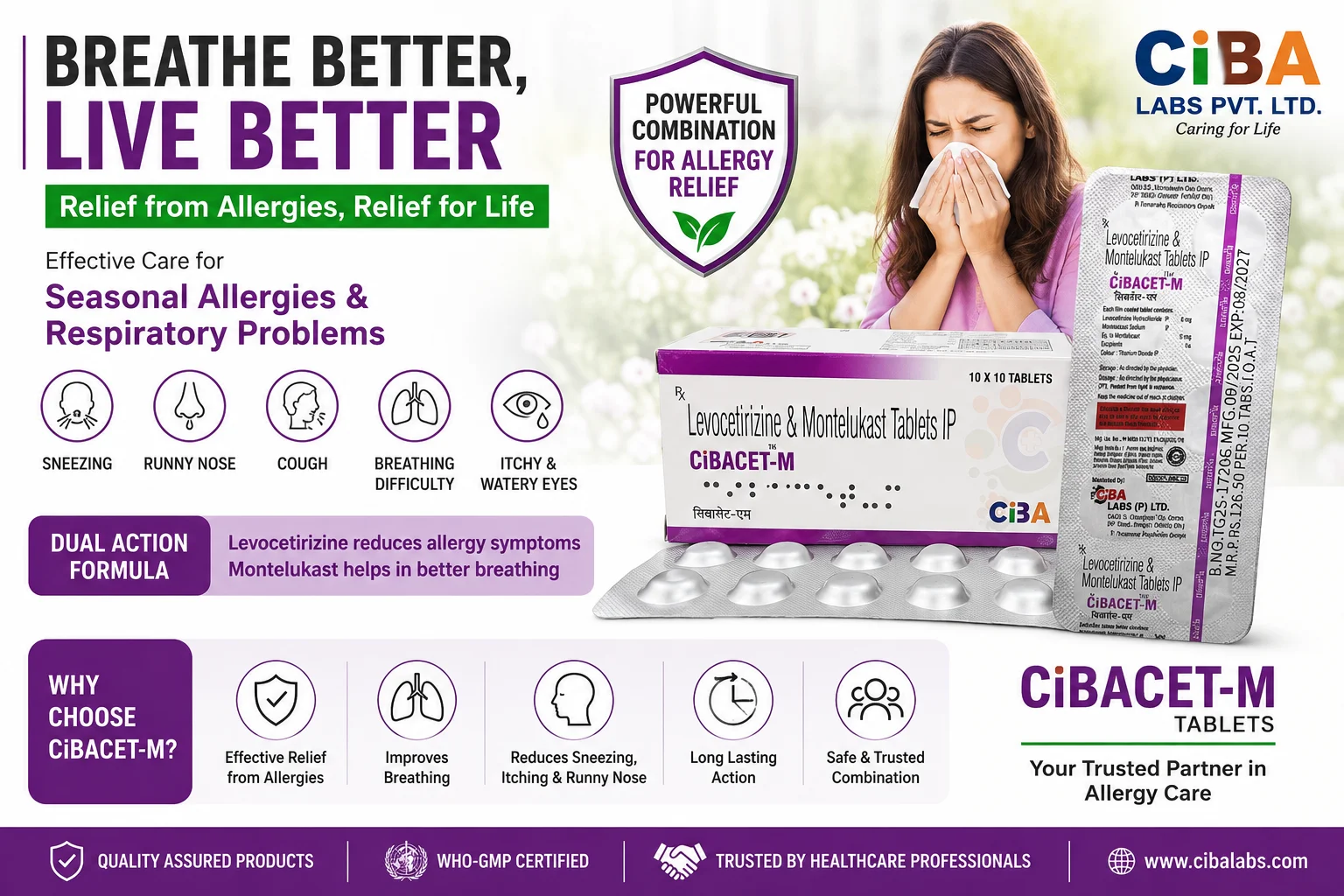
Seasonal Allergies and Respiratory Problems: Causes, Symptoms, Prevention and Treatment
Seasonal allergies affect millions of people every year and can significantly impact daily life. From persistent sneezing and runny noses to coughing and breathing difficulties, allergy-related respiratory conditions are becoming increasingly common in India.
Changing weather conditions, rising pollution levels, dust exposure, and environmental allergens have contributed to a growing number of allergy cases among children and adults.
Understanding the causes, symptoms, prevention strategies, and treatment options can help individuals manage allergies effectively and maintain a better quality of life.
What Are Seasonal Allergies?
Seasonal allergies occur when the immune system reacts to substances that are generally harmless, such as:
Pollen
Dust mites
Mold spores
Pet dander
Air pollution
When exposed to these allergens, the body releases chemicals such as histamine, resulting in allergy symptoms.
Common Causes of Respiratory Allergies
Several environmental factors contribute to respiratory allergies.
Dust Exposure
Dust is one of the most common allergy triggers, especially in urban areas.
Pollen
Seasonal flowering plants release pollen into the air, causing allergic reactions.
Air Pollution
Vehicle emissions and industrial pollution can worsen respiratory symptoms.
Mold and Damp Environments
Fungal growth in humid conditions can trigger allergies and respiratory discomfort.
Pet Dander
Proteins found in animal skin cells can cause allergic reactions in sensitive individuals.
Common Symptoms of Seasonal Allergies
Symptoms vary from person to person but commonly include:
Sneezing
Frequent sneezing is often one of the first signs of an allergic reaction.
Runny Nose
Excess mucus production causes a continuous runny nose.
Nasal Congestion
Blocked nasal passages can make breathing difficult.
Itchy Eyes
Redness, irritation, and watery eyes are common allergy symptoms.
Persistent Cough
Post-nasal drip may lead to recurring coughing.
Breathing Difficulties
In some individuals, allergies can trigger asthma-like symptoms.
How Allergies Affect Daily Life
Untreated allergies can impact:
Sleep quality
Work productivity
Academic performance
Physical activity
Overall well-being
Many individuals experience fatigue due to continuous allergy symptoms.
Who Is at Higher Risk?
Certain individuals are more susceptible to allergies:
Children
Elderly individuals
People with asthma
Individuals with family history of allergies
People living in highly polluted cities
How to Prevent Seasonal Allergies
Although complete avoidance may not always be possible, several preventive measures can reduce symptoms.
Maintain Indoor Cleanliness
Regular cleaning helps remove dust and allergens.
Use Air Purifiers
Air purification systems can improve indoor air quality.
Avoid Peak Pollen Hours
Limiting outdoor activities during high pollen periods may help.
Wear Masks Outdoors
Masks reduce exposure to dust and airborne allergens.
Stay Hydrated
Adequate hydration supports respiratory health.
Diagnosis of Allergic Conditions
Healthcare professionals may recommend:
Physical examination
Allergy testing
Blood tests
Pulmonary function tests
Proper diagnosis helps determine the most effective treatment strategy.
Treatment Options for Seasonal Allergies
Treatment depends on symptom severity and medical history.
Common approaches include:
Antihistamines
Help reduce sneezing, itching, and runny nose.
Leukotriene Receptor Blockers
Assist in controlling allergic inflammation and respiratory symptoms.
Nasal Sprays
Help relieve nasal congestion.
Lifestyle Modifications
Reducing allergen exposure remains an important part of management.
Importance of Early Treatment
Ignoring allergy symptoms can lead to:
Chronic sinus issues
Recurrent respiratory infections
Sleep disturbances
Reduced quality of life
Early medical consultation can prevent complications.
Managing Allergies in Children
Parents should:
Keep children's surroundings clean
Monitor exposure to allergens
Encourage proper hydration
Seek medical advice when symptoms persist
Children often respond well when allergies are identified early.
Growing Burden of Respiratory Allergies in India
Rapid urbanization and pollution have contributed to increasing respiratory health concerns.
Healthcare experts report growing awareness regarding allergy management and preventive healthcare measures.
This has increased demand for effective allergy management solutions across India.
Conclusion
Seasonal allergies and respiratory problems are increasingly common but can be effectively managed through awareness, prevention, and appropriate treatment.
Understanding triggers, recognizing symptoms early, and seeking timely medical guidance can significantly improve quality of life.
As environmental conditions continue to evolve, maintaining respiratory health has become more important than ever.
Individuals experiencing persistent allergy symptoms should consult qualified healthcare professionals for proper diagnosis and treatment recommendations.
FAQs
What causes seasonal allergies?
Seasonal allergies are commonly triggered by pollen, dust, pollution, mold spores, and pet dander.
Can seasonal allergies affect breathing?
Yes. In some individuals, allergies can cause wheezing, coughing, and breathing difficulties.
Are allergies more common during weather changes?
Yes. Seasonal changes often increase exposure to environmental allergens.
How can I prevent respiratory allergies?
Maintaining cleanliness, avoiding allergens, using masks, and improving indoor air quality can help.
When should I see a doctor for allergies?
Medical advice should be sought if symptoms persist, worsen, or interfere with daily activities.