Introduction
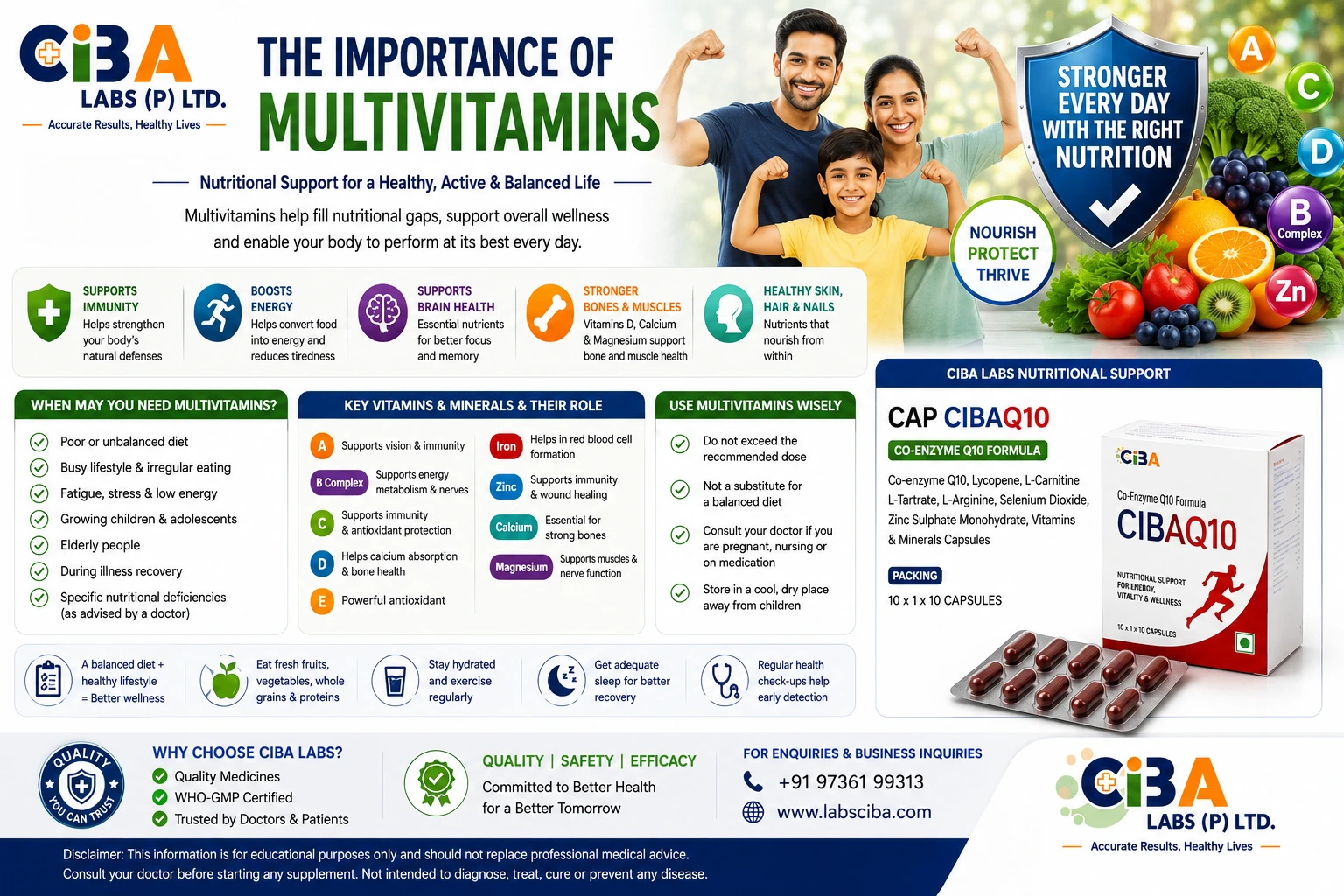
Vitamins and minerals are essential nutrients that the body needs for normal growth, development, metabolism, immune function, bone health, blood formation, and many other biological processes.
A balanced and varied diet should be the primary source of nutrients for most people. However, some individuals may have difficulty obtaining enough nutrients from food alone because of dietary restrictions, increased nutritional needs, limited food choices, certain medical conditions, or other circumstances.
Multivitamin/mineral supplements, often called multivitamins or MVMs, can provide a combination of vitamins and minerals in one product. They may help people reach recommended nutrient intakes when food alone does not provide enough. However, they are not a replacement for a nutritious diet, and taking more nutrients than needed is not necessarily better. citeturn0search3
What Is a Multivitamin?
A multivitamin is a dietary supplement containing a combination of vitamins and, in many cases, minerals. There is no single standard formula for all multivitamins. Manufacturers choose which nutrients to include and in what amounts, so products can differ considerably. citeturn0search3
Some products are designed for general daily nutritional support, while others are formulated for particular age groups, dietary needs, or nutrient combinations.
Why Are Vitamins and Minerals Important?
Each vitamin and mineral has specific functions in the body. Together, they support many essential processes, including:
Normal energy metabolism and cellular function.
Normal immune system function.
Formation of blood cells and maintenance of normal tissues.
Bone and teeth health.
Normal nervous-system function.
Protection of cells from oxidative stress for nutrients with relevant antioxidant functions.
Normal growth and development.
When Might a Multivitamin Be Useful?
A multivitamin may be considered when a person has difficulty meeting nutrient requirements through food alone. The need depends on the person's age, diet, lifestyle, health status, and specific nutritional requirements.
Examples of situations in which a healthcare professional may consider supplementation include:
A restricted or limited diet.
Low intake of nutrient-dense foods.
Certain dietary patterns that exclude specific food groups.
Increased nutritional requirements in selected life stages.
Certain medical or gastrointestinal conditions that affect nutrient absorption.
A confirmed or suspected nutrient deficiency requiring professional assessment.
Other circumstances in which a doctor or dietitian recommends supplementation.
The exact supplement and dose should be selected according to individual needs. People with known deficiencies may require a specific nutrient rather than a general multivitamin.
Multivitamins Are Not a Substitute for Healthy Food
A multivitamin cannot replace the full nutritional value of a varied diet. Foods provide not only vitamins and minerals but also protein, fibre, essential fatty acids, and many other naturally occurring compounds. NIH's Office of Dietary Supplements notes that multivitamins cannot take the place of eating a variety of foods. citeturn0search3
A healthy dietary pattern should therefore remain the foundation of nutritional health.
Potential Benefits of Multivitamins
The clearest potential role of a multivitamin is helping increase nutrient intake when dietary intake is insufficient. Depending on its formulation, an MVM can provide several vitamins and minerals in one supplement. citeturn0search3
However, it is important not to overstate the evidence. For generally healthy, nonpregnant adults without known nutritional deficiencies, the U.S. Preventive Services Task Force concluded that evidence is insufficient to determine whether multivitamin supplementation prevents cardiovascular disease or cancer. citeturn0search0turn0search2
Therefore, multivitamins should be viewed primarily as nutritional supplements rather than medicines that guarantee prevention of major diseases.
Common Vitamins Found in Multivitamin Products
Vitamin A – important for vision, immune function, and normal growth and development.
B vitamins – a group of vitamins involved in energy metabolism, nervous-system function, and other cellular processes.
Vitamin C – contributes to normal immune function, collagen formation, and antioxidant protection.
Vitamin D – important for calcium absorption and bone health.
Vitamin E – contributes to protection of cells from oxidative stress.
Folate/Folic Acid – important for DNA synthesis and cell division and especially important before and during early pregnancy.
Vitamin K – important for normal blood clotting and bone metabolism.
Common Minerals in Multivitamins
Calcium – important for bones, teeth, muscle function, and other physiological processes.
Iron – essential for haemoglobin formation and oxygen transport.
Zinc – contributes to immune function, wound healing, and normal metabolism.
Magnesium – involved in muscle and nerve function and energy metabolism.
Iodine – needed for production of thyroid hormones.
Selenium – contributes to antioxidant defence and thyroid function.
Copper – involved in iron metabolism, connective tissue formation, and nervous-system function.
Who Should Be Careful With Multivitamins?
Multivitamins are not automatically appropriate for everyone. Some nutrients can accumulate or cause adverse effects when taken in excessive amounts. NIH notes that taking an MVM can increase the chance of getting too much of certain nutrients, including iron, vitamin A, zinc, niacin, and folic acid, particularly when products contain high amounts. citeturn0search3
Extra caution is appropriate for people who:
Already take several vitamin or mineral supplements.
Take prescription medicines that may interact with supplements.
Have kidney or liver disease.
Have a condition involving abnormal iron storage or metabolism.
Are pregnant, planning pregnancy, or breastfeeding.
Have a diagnosed nutritional deficiency requiring a specific treatment plan.
Are considering high-dose or multiple supplement products.
Can You Take Too Many Vitamins?
Yes. More is not always better. Some vitamins and minerals can cause adverse effects when consumed in excessive amounts. The risk can increase when people combine a multivitamin with separate single-nutrient supplements or fortified products.
Always check the ingredient list and serving size of supplements you take and discuss combinations with a doctor, pharmacist, or qualified dietitian when appropriate. citeturn0search3turn0search0
Multivitamins and Disease Prevention
Multivitamins are often marketed for general wellness and disease prevention. However, evidence for preventing major chronic diseases is not strong enough to say that multivitamins reliably prevent cardiovascular disease or cancer in the general healthy adult population.
The USPSTF currently considers the evidence insufficient to assess the balance of benefits and harms of multivitamins for prevention of cardiovascular disease or cancer in community-dwelling, nonpregnant adults. citeturn0search0
This does not mean multivitamins are useless. It means their role should be considered in the context of nutritional needs rather than treating them as a guaranteed disease-prevention medicine.
How to Choose a Multivitamin Responsibly
Look at the complete ingredient list rather than the front-of-pack claims.
Check the amount of each vitamin and mineral per serving.
Avoid unnecessarily high doses unless medically recommended.
Consider your diet and individual nutritional needs.
Avoid taking several products containing the same nutrients without professional advice.
Check for possible interactions with prescription medicines.
Choose products from reliable manufacturers and use them according to the label.
Consult a healthcare professional when you have a medical condition or specific nutritional concern.
CIBA Labs Wellness Portfolio: CAP CIBAQ10
CIBA Labs' product portfolio supplied for this blog series includes CAP CIBAQ10, described as a Co-enzyme Q10 Formula, with a pack size of 10 x 1 x 10.
CIBAQ10 is a Co-enzyme Q10 formula and should not be described as a multivitamin unless its current approved product composition specifically includes vitamins and minerals. It can, however, be discussed alongside a broader wellness and nutritional-support article as a separate supplement product.
CAP CIBAQ10
Product: CAP CIBAQ10
Description: Co-enzyme Q10 Formula
Pack Size: 10 x 1 x 10
Co-enzyme Q10 (CoQ10) is a naturally occurring compound involved in cellular energy production. CIBAQ10 is listed by CIBA Labs as a Co-enzyme Q10 Formula.
The product should be used according to its current approved product information and label directions. Individuals taking prescription medicines or managing a medical condition should consult a healthcare professional before starting a supplement.
Important: Multivitamins vs CIBAQ10
A multivitamin/mineral supplement and a Co-enzyme Q10 formula are not the same type of product.
Multivitamins provide a combination of vitamins and, depending on the product, minerals. CIBAQ10 is described in the supplied CIBA Labs portfolio as a Co-enzyme Q10 Formula.
Keeping these categories clear is important for accurate pharmaceutical and healthcare communication.
Healthy Habits Alongside Supplementation
Eat a varied diet with vegetables, fruits, whole grains, pulses, nuts, seeds, and appropriate protein sources.
Stay physically active according to your abilities and health status.
Maintain adequate hydration.
Get sufficient sleep and recovery.
Avoid smoking and limit alcohol according to health guidance.
Use supplements to address nutritional needs rather than as a replacement for healthy habits.
Discuss persistent fatigue, weakness, unexplained weight change, or other symptoms with a healthcare professional instead of self-treating with supplements.
Frequently Asked Questions
What is a multivitamin?
A multivitamin is a dietary supplement containing a combination of vitamins and, in many cases, minerals. There is no single standard multivitamin formula.
Why do people take multivitamins?
People commonly take them to increase nutrient intake or help fill dietary gaps. The specific benefit depends on the individual's diet and nutritional needs.
Can multivitamins replace a healthy diet?
No. A multivitamin cannot replace the variety of nutrients and other beneficial components found in a varied diet. citeturn0search3
Are multivitamins necessary for everyone?
No. Nutritional needs vary. Many people can meet their vitamin and mineral requirements through a varied diet, while some people may benefit from supplementation.
Can I take several vitamin supplements together?
Combining products can increase the risk of excessive intake of certain nutrients. Check the ingredients and discuss combinations with a healthcare professional.
Can multivitamins prevent cancer or heart disease?
Current evidence is insufficient to determine whether multivitamins prevent cardiovascular disease or cancer in generally healthy, nonpregnant adults. citeturn0search0
What is CIBAQ10?
CIBAQ10 is listed in the supplied CIBA Labs portfolio as a Co-enzyme Q10 Formula, with a pack size of 10 x 1 x 10.
Is CIBAQ10 a multivitamin?
Not based on the product description supplied for this blog series. It is described as a Co-enzyme Q10 Formula, so it should be presented separately from multivitamin products unless its current approved composition confirms otherwise.
When should I speak with a doctor before taking supplements?
Speak with a healthcare professional if you are pregnant or planning pregnancy, have a medical condition, take prescription medicines, have a known nutrient deficiency, or plan to use high-dose or multiple supplements.
Why Choose CIBA Labs?
CIBA Labs is focused on a diverse pharmaceutical and healthcare product portfolio. Its supplied portfolio includes wellness-oriented products such as CAP CIBAQ10 alongside products from several therapeutic categories.
CIBA Labs aims to provide product-focused healthcare information while encouraging responsible use and professional guidance where appropriate.
Conclusion
Vitamins and minerals are essential for normal body functions, and a well-balanced diet should remain the primary foundation of good nutrition. Multivitamins may be useful for some people who cannot obtain enough nutrients from food alone, but they are not a substitute for healthy eating and should not automatically be viewed as disease-prevention medicines.
Choosing supplements responsibly means considering individual nutritional needs, checking the ingredients and doses, avoiding unnecessary duplication, and seeking professional advice when appropriate.
CIBA Labs' supplied portfolio includes CAP CIBAQ10, described as a Co-enzyme Q10 Formula. Because CIBAQ10 is not presented as a multivitamin in the supplied product information, it should be communicated separately from multivitamin products.
Good nutrition, healthy lifestyle habits, and appropriate professional guidance together provide a stronger foundation for long-term wellness.
Call to Action
Explore the CIBA Labs product portfolio to learn more about our healthcare and wellness products.
For product-specific information or business enquiries, visit the relevant CIBA Labs product page or contact the CIBA Labs team.
Medical and Product Information Disclaimer: This article is intended for general educational and product-information purposes only. It is not a substitute for medical advice, diagnosis, treatment, or individual nutritional guidance. Product composition and pack information are based on the product details supplied for this draft. Always refer to the current approved product information and consult a qualified healthcare professional before starting any supplement.
Reference Sources
NIH Office of Dietary Supplements – Multivitamin/mineral Supplements, Consumer Fact Sheet.
U.S. Preventive Services Task Force – Vitamin, Mineral, and Multivitamin Supplementation to Prevent Cardiovascular Disease and Cancer.
These sources support the general nutritional and evidence statements in this article. The CIBA Labs product description for CAP CIBAQ10 is based on the product details supplied for this blog series.