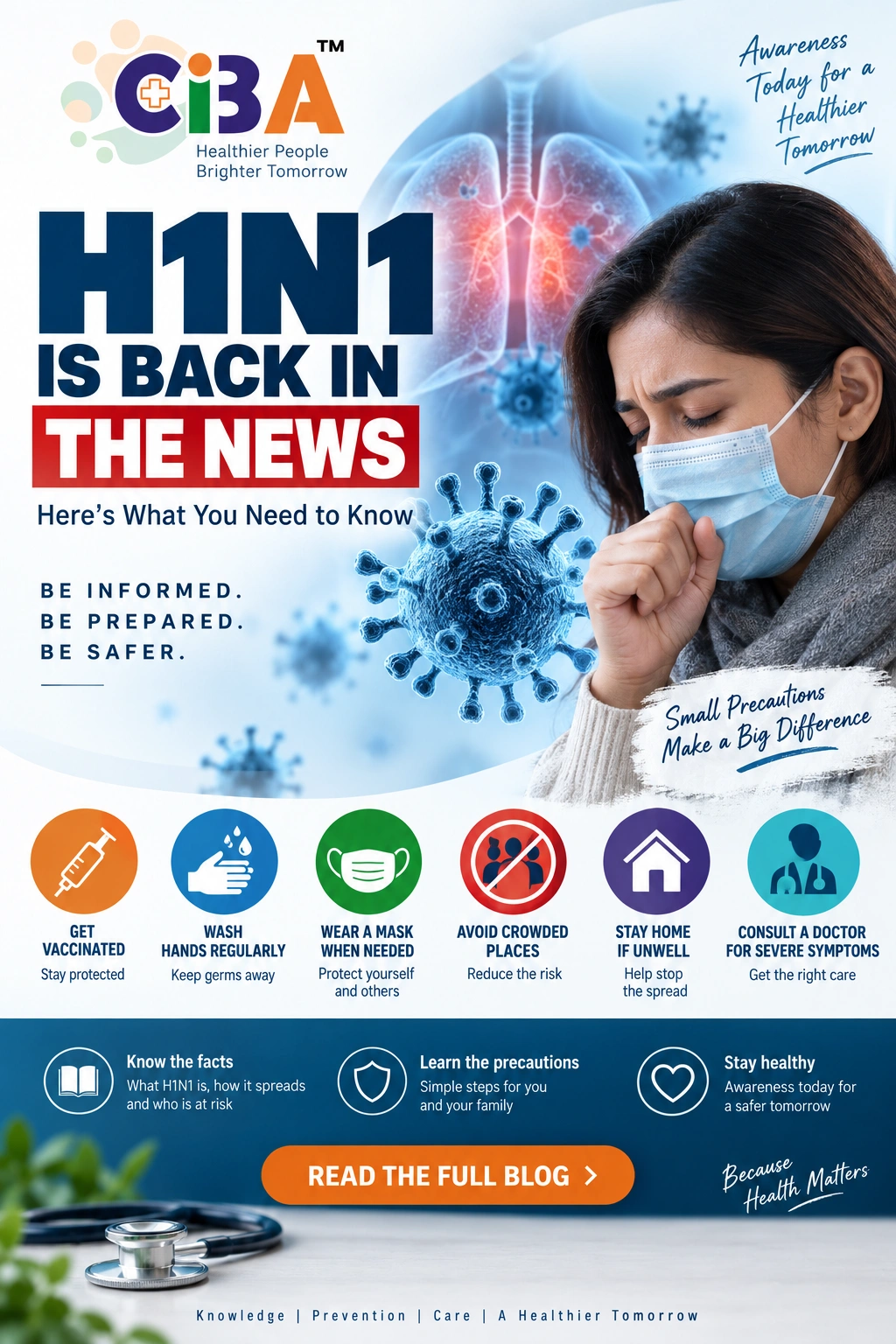
H1N1 virus is once again receiving attention in India, but does that mean another pandemic is approaching? The short answer, based on currently available official information, is no evidence currently indicates that a new H1N1 pandemic is developing in India.
H1N1 is not a new virus. The strain associated with the 2009 pandemic, known as A(H1N1)pdm09, has since become part of the seasonal influenza viruses that circulate among people. In August 2026, India's Ministry of Health and Family Welfare, ICMR and NCDC reported that the H1N1 viruses being detected were showing expected seasonal genetic changes and no unusual genetic shift or new dangerous strain had been identified.
That does not mean we should ignore influenza. It means we should respond with awareness rather than fear.
What Exactly Is H1N1?
H1N1 is a subtype of Influenza A, a respiratory virus that can infect the nose, throat and lungs. The names H1 and N1 refer to two proteins on the surface of the virus—hemagglutinin (H) and neuraminidase (N).
The H1N1 virus that caused the 2009 pandemic is now generally referred to as A(H1N1)pdm09. According to WHO, it subsequently became part of the viruses responsible for seasonal influenza.
The term “swine flu” is still commonly used, but it can be misleading. Today's A(H1N1)pdm09 is a seasonal human influenza virus rather than simply a disease that people “catch from pigs.”
So, when we hear that “H1N1 is spreading,” it is important to understand the context. Detection of H1N1 does not automatically mean that a new pandemic is beginning.
Why Is H1N1 in the News Again?
Influenza viruses circulate regularly and their activity changes from season to season. India also experiences periods of increased respiratory illness.
In August 2026, the Government of India stated that it was closely monitoring seasonal influenza through epidemiological, virological and genomic surveillance. The government reported that circulating H1N1 viruses were consistent with seasonal influenza patterns and that the changes observed represented normal antigenic drift, rather than evidence of a new pandemic virus.
The National Centre for Disease Control continues to maintain information and technical guidance covering seasonal influenza, including laboratory testing, patient categorisation, home care, masks and vaccination.
This is an important distinction:
A rise in seasonal flu cases is not the same thing as the emergence of a pandemic.
A pandemic generally involves a new influenza virus to which people have little or no existing immunity and which acquires the ability to spread efficiently between humans. WHO distinguishes this from ordinary seasonal influenza, which is caused largely by viruses already circulating in the population.
How Does H1N1 Spread?
H1N1 spreads in much the same way as other seasonal influenza viruses.
An infected person can release respiratory particles while:
- Coughing
- Sneezing
- Talking
- Breathing
The risk can increase when people are close together, particularly in crowded or poorly ventilated indoor environments. Influenza viruses can also be transferred through contaminated hands, especially when someone subsequently touches their eyes, nose or mouth.
This is why simple habits such as handwashing, covering coughs and improving ventilation remain useful even when there is no pandemic.
H1N1 Symptoms: What Should You Look For?
H1N1 symptoms are very similar to those caused by other influenza viruses. They can appear relatively suddenly.
Common symptoms include:
- Fever or feeling feverish
- Chills
- Cough, often dry
- Sore throat
- Runny or blocked nose
- Headache
- Muscle and body aches
- Tiredness and weakness
Some children may also experience nausea, vomiting or diarrhoea.
According to WHO, influenza symptoms generally begin about 1–4 days after infection, and many people recover from the main symptoms within approximately a week. However, cough and tiredness can persist longer.
One important point
Symptoms alone cannot confirm H1N1.
Several respiratory infections—including other influenza viruses and COVID-19—can produce similar symptoms. Where confirmation is medically necessary, healthcare professionals may recommend appropriate respiratory testing.
Who Needs to Be More Careful?
For most otherwise healthy people, seasonal influenza is self-limiting. However, some people have a greater risk of developing complications.
These include:
- Children, particularly those under 5 years
- Older adults, especially those 65 and above
- Pregnant women
- People with chronic conditions such as diabetes, heart or lung disease
- People with weakened immune systems
- Healthcare workers with increased exposure to influenza
WHO notes that influenza can sometimes lead to complications such as pneumonia and, in severe cases, sepsis.
The Government of India has similarly advised elderly people, young children, people with underlying medical conditions and people with compromised immunity to exercise greater caution.
What Can We Do to Protect Ourselves?
Fortunately, many of the most useful precautions are simple.
1. Consider Seasonal Influenza Vaccination
Vaccination remains one of the most important ways of reducing the risk of influenza and its complications. Influenza viruses continuously evolve, which is why vaccine composition is updated periodically. WHO particularly recommends vaccination for groups at higher risk of complications.
Talk to your doctor or healthcare provider about whether seasonal influenza vaccination is appropriate for you and your family.
2. Wash Your Hands Regularly
Wash your hands with soap and water, particularly after coughing, sneezing or touching potentially contaminated surfaces.
If soap and water are not available, an appropriate alcohol-based hand sanitiser can be used.
3. Cover Your Cough and Sneeze
Use a tissue or your elbow/upper arm when coughing or sneezing rather than your bare hands.
Dispose of used tissues properly and wash your hands afterwards.
4. Improve Ventilation
Fresh air matters.
Whenever practical, open windows and improve ventilation in indoor areas. Try to avoid spending prolonged periods in crowded, poorly ventilated spaces when influenza activity is high.
5. Stay Home When You Are Sick
If you develop flu-like symptoms, avoid unnecessary close contact with other people.
This is particularly important when living or working around elderly people, young children, pregnant women or people with chronic illnesses.
6. Avoid Touching Your Face With Unwashed Hands
The eyes, nose and mouth can provide routes for respiratory viruses to enter the body.
A small habit—washing your hands before touching your face—can therefore be worthwhile.
What Should You Do If You Become Sick?
For a person with mild influenza, treatment often focuses on:
Rest + adequate fluids + symptom management + monitoring.
Most otherwise healthy people recover without requiring specific treatment.
However, people at higher risk or those with severe illness may need antiviral treatment.
Antiviral medicines work best when started early, often within 1–2 days after symptoms begin, although treatment decisions should be made by a healthcare professional based on the individual's condition.
Do not confuse antivirals with antibiotics.
Antibiotics treat bacterial infections; they do not treat influenza viruses.
Taking antibiotics unnecessarily can expose people to side effects and contributes to antimicrobial resistance.
Therefore, avoid taking antibiotics or prescription antiviral medicines on your own.
When Should You See a Doctor?
Do not wait if symptoms become severe or rapidly worsen.
Medical attention is particularly important if there is:
- Difficulty breathing or shortness of breath
- Chest pain or persistent chest pressure
- Severe weakness
- Confusion or unusual drowsiness
- Signs of dehydration
- Symptoms that improve but then return or become significantly worse
- A significant worsening of an existing medical condition
Children who develop breathing difficulty, dehydration, unusual sleepiness or other concerning symptoms should receive prompt medical attention.
Pregnant women, elderly people, young children and people with chronic diseases should have a lower threshold for seeking professional advice.
H1N1 in India: Vigilance Without Panic
India is continuing to monitor influenza activity. On 21 August 2026, the Union Health Minister reviewed H1N1 preparedness, including surveillance, testing, hospital capacity, critical-care resources and essential supplies.
The message from India's health authorities is important: remain vigilant, but do not panic.
The latest official assessment available in August 2026 did not indicate an unusual change in H1N1 behaviour or the emergence of a new strain creating a new influenza threat.
That means there is currently a stronger case for preparedness and responsible behaviour than for treating the situation as an impending pandemic.
H1N1: The Takeaway for Every Family
The best defence against respiratory infections is not panic—it is knowledge and sensible action.
Remember these six points:
Recognise the symptoms.
Maintain good hand hygiene.
Cover coughs and sneezes.
Improve indoor ventilation.
Stay home when you are unwell.
Seek medical advice when symptoms are severe or you are at higher risk.
And, where appropriate, discuss seasonal influenza vaccination with a qualified healthcare professional.
The original material you provided makes the same practical point through its checklists and infographics: vaccination, hand hygiene, respiratory etiquette, ventilation and staying home when sick are central preventive measures, while worsening symptoms or breathing difficulty warrant medical attention.
Final Word
H1N1 deserves attention, but attention should not become unnecessary fear.
The virus responsible for the 2009 H1N1 pandemic has become part of seasonal influenza circulation. Current Indian government surveillance information does not indicate that a new H1N1 pandemic is emerging.
Nevertheless, influenza can become serious, particularly for vulnerable people. Staying informed, following basic preventive measures, considering recommended vaccination and obtaining timely medical care when necessary can make a real difference.
Stay informed. Stay careful. And most importantly, don't panic—prepare.