Introduction
Antibiotics are important medicines used to treat certain bacterial infections. They can be life-saving when the right antibiotic is used for the right bacterial infection.
However, antibiotics are not useful for every illness. They do not treat viral infections such as the common cold or influenza, and unnecessary use can expose people to side effects and contribute to antibiotic resistance.
In this article, CIBA Labs explains what antibiotics are, how they are used, their potential benefits, common precautions, side effects, antibiotic resistance, and selected antibiotic products in the CIBA Labs portfolio.
What Are Antibiotics?
Antibiotics are medicines that act against bacteria. Depending on the medicine, they may kill susceptible bacteria or stop them from growing.
Different antibiotics work against different groups of bacteria. Antibiotic selection depends on the suspected or confirmed infection, site and severity of infection, patient factors, allergies, interactions, and clinical guidance.
Antibiotics should be used only when clinically appropriate and according to a qualified healthcare professional.
When Are Antibiotics Used?
Antibiotics may be prescribed when a healthcare professional determines that a bacterial infection is likely or confirmed and antibiotic treatment is appropriate.
Examples can include certain respiratory, urinary, skin and soft-tissue, dental, gastrointestinal, and other bacterial infections. The specific antibiotic depends on the infection and the bacteria involved.
Some illnesses that feel like infections are caused by viruses and do not benefit from antibiotics. Antibiotics do not treat common colds or influenza.
Potential Benefits of Antibiotics
When an antibiotic is appropriate for a bacterial infection, it can help control the infection and reduce the risk of complications. Antibiotics are particularly important for some serious bacterial illnesses.
The benefit comes from using the appropriate medicine for the appropriate infection. Unnecessary use provides no treatment benefit while still exposing the patient to possible adverse effects and contributing to antibiotic resistance.
Antibiotics Do Not Treat Viral Infections
Antibiotics work against bacteria, not viruses. Symptoms such as cough, sore throat, fever, or colored mucus do not by themselves prove that an illness is bacterial.
A healthcare professional may need to assess symptoms, examine the patient, and sometimes order tests before deciding whether an antibiotic is appropriate.
How Are Antibiotics Selected?
Location and type of infection.
Suspected or confirmed bacterial organism.
Severity of illness.
Previous antibiotic exposure.
Known drug allergies.
Age and overall health.
Kidney or liver function when relevant.
Other medicines and possible interactions.
Local antibiotic resistance patterns.
Laboratory or culture results when appropriate.
Antibiotic Resistance: Why Responsible Use Matters
Antibiotic resistance occurs when bacteria develop the ability to survive medicines intended to kill them or stop their growth. The bacteria become resistant; the human body does not become “resistant” to antibiotics.
Resistance can make infections harder to treat and can allow resistant bacteria to spread. Unnecessary or inappropriate antibiotic use can contribute to this problem.
How Can Antibiotic Resistance Be Reduced?
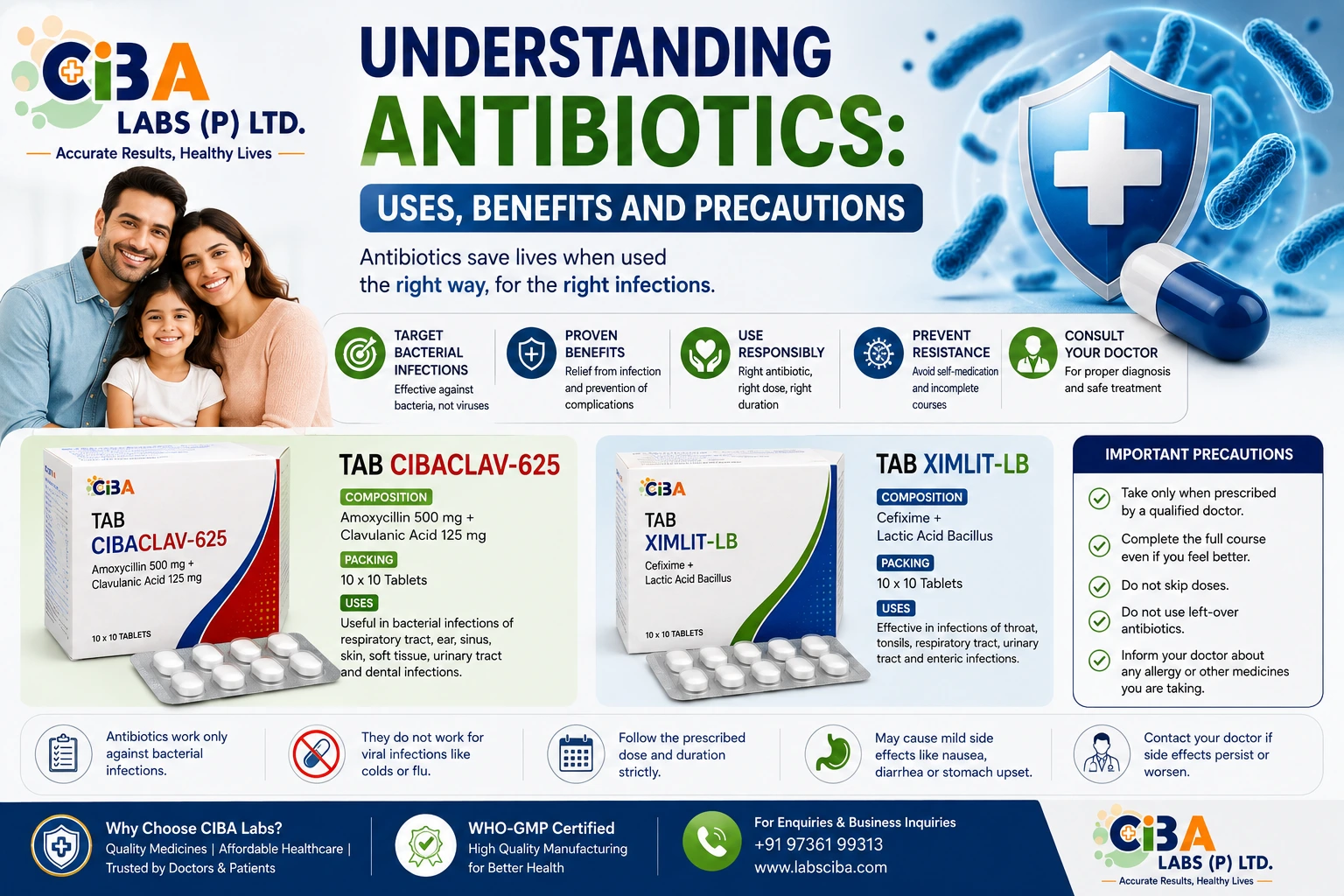
Use antibiotics only when prescribed or recommended by an appropriate healthcare professional.
Do not use antibiotics for viral illnesses unless a bacterial infection also requires treatment.
Do not share antibiotics with another person.
Do not save leftover antibiotics for a future illness.
Take the medicine exactly according to the prescription and current product instructions.
Ask your doctor or pharmacist what to do if you miss a dose or develop side effects.
Do not change, extend, or stop treatment without appropriate professional advice.
Common Antibiotic Side Effects
Antibiotics can cause side effects. Common examples include nausea, diarrhea, rash, dizziness, and yeast infections. More serious reactions can also occur, including severe allergic reactions and, with some antibiotics, serious antibiotic-associated diarrhea such as C. difficile infection.
Patients should seek appropriate medical advice if significant, persistent, or unexpected symptoms develop during treatment.
Important Precautions Before Taking an Antibiotic
Tell your healthcare professional about previous antibiotic or medicine allergies.
Tell your doctor or pharmacist about all medicines, supplements, and herbal products you take.
Mention important kidney, liver, stomach, heart, or other health conditions.
Follow the prescribed dose and timing.
Check product information for relevant interactions.
Do not use someone else's antibiotic prescription.
Do not use an old antibiotic prescription for a new illness.
CIBA Labs Antibiotic Products
CIBA Labs' product portfolio includes antibiotic products such as TAB CIBACLAV-625 and TAB XIMLIT-LB.
The product descriptions below use the composition and pack information supplied for this CIBA Labs blog series. Product-specific prescribing decisions should always follow current approved product information and qualified healthcare professional guidance.
TAB CIBACLAV-625
Composition: Amoxycillin 500 mg + Clavulanic Acid 125 mg
Pack Size: 10 x 10
CIBACLAV-625 combines amoxycillin with clavulanic acid. Amoxycillin is a penicillin-type antibacterial medicine. Clavulanic acid is a beta-lactamase inhibitor that can help protect amoxycillin from certain beta-lactamase enzymes produced by susceptible bacteria.
This combination may be prescribed for selected bacterial infections when a healthcare professional considers it appropriate. It is not intended to treat viral infections.
Precautions: Patients with a history of serious allergy to penicillins, cephalosporins, or other beta-lactam antibiotics should inform their healthcare professional. Tell the prescriber about previous antibiotic reactions and other medicines. Use only according to the prescribed dose and current approved product information.
TAB XIMLIT-LB
Composition: Cefixime + Lactic Acid Bacillus
Pack Size: 10 x 10
XIMLIT-LB contains cefixime together with lactic acid bacillus. Cefixime is a cephalosporin antibacterial medicine used for selected bacterial infections caused by susceptible organisms. Appropriate use depends on the infection, suspected or confirmed bacteria, patient factors, and professional clinical judgment.
The lactic acid bacillus component is included in the formulation as listed in the CIBA Labs product portfolio.
Precautions: Tell your healthcare professional about previous allergy to cefixime, cephalosporins, penicillins, or related medicines. Inform the prescriber about other medicines and relevant health conditions. Use only as directed and do not use it for a viral illness unless a bacterial infection has been identified as requiring treatment.
CIBACLAV-625 vs XIMLIT-LB
Both products are antibiotics, but they contain different antibacterial ingredients and belong to different antibiotic groups.
CIBACLAV-625 contains amoxycillin plus clavulanic acid, while XIMLIT-LB contains cefixime plus lactic acid bacillus.
This does not mean one product is universally stronger or better. Antibiotic selection should be based on the infection and the individual patient rather than perceived strength.
What Patients Should Remember
Antibiotics are valuable medicines when they are needed.
Antibiotics do not treat viral infections such as colds and influenza.
The correct antibiotic depends on the infection and the patient.
Antibiotic resistance can make infections more difficult to treat.
Any antibiotic can cause side effects.
Always disclose allergies and other medicines to your healthcare professional.
Never share or reuse leftover antibiotics.
Frequently Asked Questions
What are antibiotics used for?
Antibiotics are used to treat certain bacterial infections. They do not treat viral illnesses such as common colds and influenza.
What are the benefits of antibiotics?
When appropriately prescribed for a bacterial infection, antibiotics can help control the infection and reduce the risk of complications.
Can I take antibiotics for a cold?
Usually no. Colds are generally viral and antibiotics do not treat viruses. Consult a healthcare professional if symptoms are severe, persistent, or unusual.
What is antibiotic resistance?
It is when bacteria develop the ability to survive antibiotics that were intended to kill them or stop their growth.
What is CIBACLAV-625?
CIBACLAV-625 contains Amoxycillin 500 mg + Clavulanic Acid 125 mg and is included in the CIBA Labs antibiotic portfolio.
What is XIMLIT-LB?
XIMLIT-LB contains Cefixime + Lactic Acid Bacillus and is included in the CIBA Labs antibiotic portfolio.
Can antibiotics cause side effects?
Yes. Antibiotics can cause nausea, diarrhea, rash, dizziness, yeast infections, and other reactions. Serious reactions can also occur.
Can I share antibiotics?
No. Antibiotics should not be shared because the other person's illness, medicine choice, dose, or duration may be different.
Should I keep leftover antibiotics?
No. Do not save antibiotics for a future illness. Ask a pharmacist or healthcare professional about appropriate disposal.
Why Choose CIBA Labs?
CIBA Labs is focused on providing a diverse pharmaceutical portfolio across therapeutic areas, including anti-infective products. The CIBA Labs portfolio includes CIBACLAV-625 and XIMLIT-LB among its listed products.
CIBA Labs' approach emphasizes quality-focused pharmaceutical solutions, product consistency, professional support, and responsible healthcare practices.
Conclusion
Antibiotics remain an important part of modern healthcare and can be life-saving when used for appropriate bacterial infections. At the same time, they should not be used unnecessarily because antibiotics can cause side effects and contribute to antibiotic resistance.
Understanding when antibiotics are appropriate, following professional instructions, and avoiding self-medication are important parts of responsible antibiotic use.
CIBA Labs offers TAB CIBACLAV-625, containing Amoxycillin 500 mg + Clavulanic Acid 125 mg, and TAB XIMLIT-LB, containing Cefixime + Lactic Acid Bacillus. These medicines should be used only when clinically appropriate and according to current approved product information and qualified healthcare professional guidance.
Call to Action
Explore the CIBA Labs product portfolio to learn more about our pharmaceutical solutions.
For product-specific information or business enquiries, visit the relevant CIBA Labs product page or contact the CIBA Labs team.
Medical and Product Information Disclaimer: This article is for general educational and product-information purposes only. It is not a substitute for professional medical advice, diagnosis, treatment instructions, prescribing information, or official product literature. Product composition and pack information are based on the details supplied for this draft. Always refer to current approved product information and consult a qualified healthcare professional before using any medicine.
Reference Sources
General antibiotic-use and antibiotic-resistance statements were checked against CDC educational resources. CIBA Labs product names and portfolio availability were checked against the CIBA Labs website. Product composition and pack information were based on the product details supplied for this blog series.