Introduction
The liver is one of the body's most important organs. It performs many essential functions, including processing nutrients, helping with digestion, storing energy, processing medicines and other substances, and supporting the body's normal metabolism.
Liver health can be affected by several factors, including excess body weight, unhealthy eating habits, excessive alcohol use, viral hepatitis, certain medicines and supplements, and other medical conditions. Some liver problems may develop gradually and may not cause noticeable symptoms in the early stages.
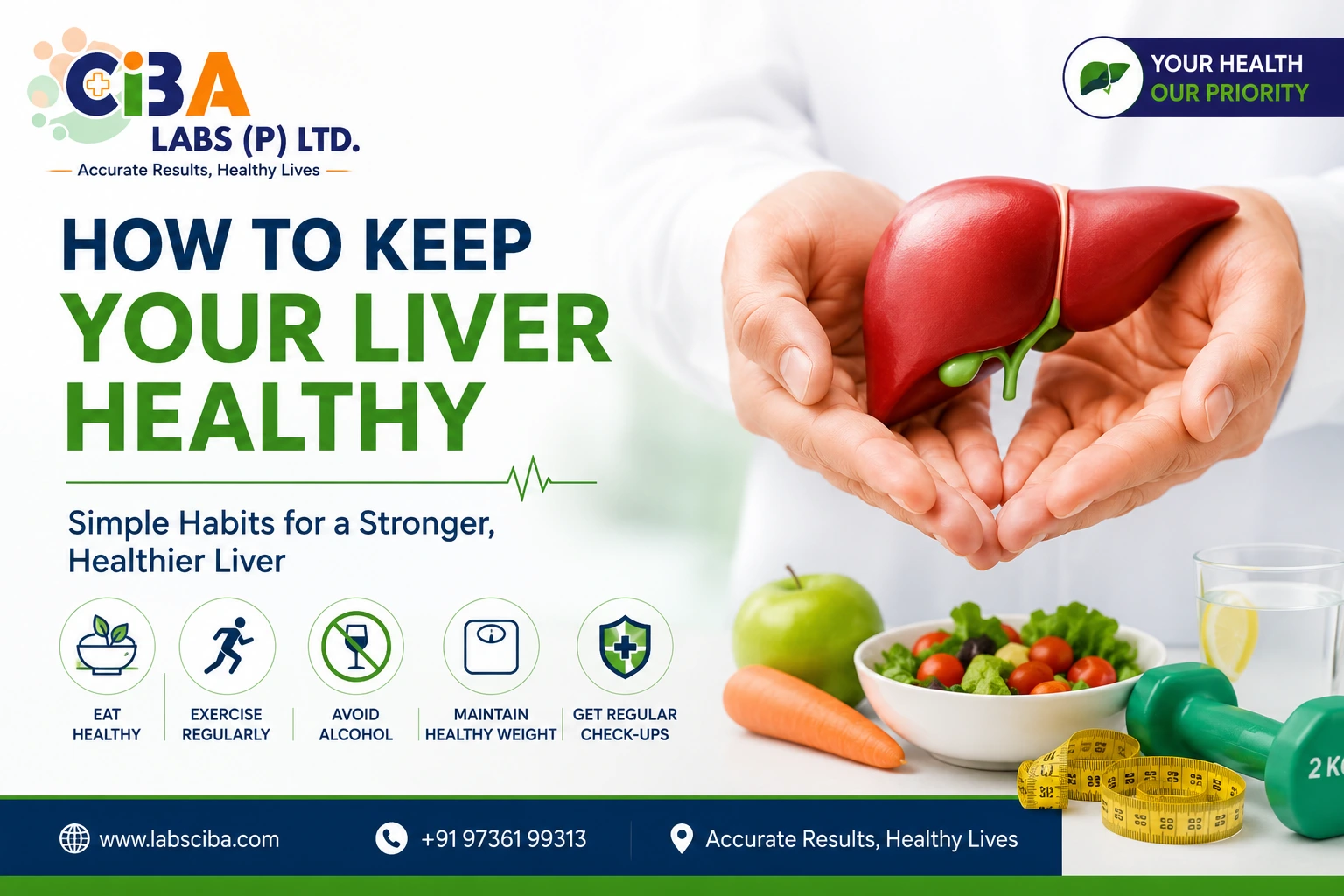
The good news is that many everyday habits can support better liver health. In this comprehensive guide, CIBA Labs explains practical steps that can help protect the liver, reduce common risk factors, recognize warning signs, and understand when medical evaluation or liver testing may be appropriate.
What Does the Liver Do?
The liver is a large organ located in the upper right side of the abdomen. It plays a central role in processing nutrients and substances that enter the body.
The liver helps with:
Processing nutrients from food.
Supporting digestion and bile production.
Storing energy and certain nutrients.
Processing medicines and other substances.
Producing important proteins.
Supporting normal metabolism.
Helping the body process substances from the blood.
Because the liver performs many different functions, protecting liver health is an important part of maintaining overall health.
What Can Affect Liver Health?
Many conditions and lifestyle factors can contribute to liver problems. Common causes or risk factors include:
Excess body weight and obesity.
Unhealthy dietary patterns.
Excessive alcohol consumption.
Viral hepatitis infections.
Certain medicines and supplements.
Diabetes and metabolic health problems.
High levels of certain blood fats.
Some inherited or autoimmune conditions.
The causes of liver disease vary from person to person. If you have concerns about your liver, a healthcare professional can assess your symptoms, medical history, risk factors, and test results.
1. Maintain a Healthy Weight
Maintaining a healthy weight is one of the important steps for supporting liver health. Excess body weight, particularly when associated with metabolic problems, can increase the risk of fatty liver disease.
If you are overweight or have obesity, gradual weight loss through healthy eating and regular physical activity may help reduce fat in the liver and improve liver health.
Avoid extreme diets or rapid weight-loss programs. A sustainable approach that combines appropriate food choices, portion control, and physical activity is generally more suitable for long-term health.
2. Eat a Balanced and Nutritious Diet
A balanced diet can support liver and overall health. Focus on a variety of nutritious foods rather than relying on restrictive diets or so-called liver detox products.
Include:
Vegetables and fruits.
Whole grains and other high-fibre foods.
Pulses and other healthy protein sources.
Healthy sources of unsaturated fats.
Appropriate portions of nutritious foods.
Try to limit foods and drinks that are high in added sugars, unhealthy fats, and excess calories. Sugary beverages and highly processed foods can make maintaining a healthy weight more difficult.
If you already have liver disease, your nutritional needs may be different. Speak with your doctor or a qualified dietitian before making major dietary changes.
3. Be Physically Active
Regular physical activity can support a healthy weight and improve metabolic health. It may also benefit people who have fatty liver disease, including through benefits that can occur even without significant weight loss.
Walking, cycling, swimming, strength exercises, and other suitable forms of physical activity can be included in a healthy routine.
Choose activities that are appropriate for your age, fitness level, and health condition. If you have a medical condition or have been inactive for a long period, ask a healthcare professional about a suitable exercise plan.
4. Avoid Excessive Alcohol Consumption
Excessive alcohol use can damage the liver and contribute to alcohol-associated liver disease. Continued alcohol-related liver injury can become serious over time.
If you drink alcohol, discuss your individual risk with a healthcare professional. People who already have liver disease may be advised to avoid alcohol completely.
Do not assume that a particular type of alcoholic drink is safe for the liver simply because it is consumed in smaller portions. The amount and pattern of alcohol consumption matter.
5. Use Medicines Responsibly
The liver processes many medicines. Taking medicines incorrectly, taking more than the recommended amount, or combining medicines without professional advice can create health risks.
Always:
Take medicines according to your doctor's or pharmacist's instructions.
Follow the recommended dose.
Tell your healthcare professional about all medicines you take.
Ask before combining medicines, over-the-counter products, or supplements.
Do not stop prescribed treatment without medical advice.
If you have liver disease, ask your healthcare professional before taking new medicines, including over-the-counter pain medicines.
6. Be Careful With Herbal and Dietary Supplements
Herbal products and dietary supplements are sometimes promoted as ways to 'cleanse' or 'detox' the liver. However, natural products are not automatically safe.
Some supplements and herbal products may interact with medicines or may cause liver injury. Avoid taking supplements simply because they are advertised as liver detox products.
If you are considering a supplement, especially if you have liver disease or take prescription medicines, speak with a qualified healthcare professional first.
7. Protect Yourself From Viral Hepatitis
Viral hepatitis can cause inflammation and damage to the liver. Different hepatitis viruses spread in different ways, so prevention depends on the type of infection.
For hepatitis B, prevention can include vaccination and avoiding contact with infected blood or body fluids. Do not share needles or personal items such as razors, toothbrushes, or nail clippers that may come into contact with blood.
Safe practices during tattooing and body piercing are also important. Make sure sterile equipment and appropriate infection-control practices are used.
Ask a healthcare professional whether hepatitis screening or vaccination is appropriate for you based on your age, health history, occupation, travel, or other risk factors.
8. Keep Diabetes and Metabolic Health Under Control
Diabetes, insulin resistance, excess weight, and abnormal cholesterol or triglyceride levels can be associated with fatty liver disease.
Maintaining healthy blood sugar and blood lipid levels can therefore be an important part of protecting liver health.
If you have diabetes or another metabolic condition, follow your healthcare professional's recommendations for diet, physical activity, medicines, and regular monitoring.
9. Avoid Unnecessary 'Liver Detox' Products
The liver already performs important processing and detoxification functions as part of normal body physiology. Commercial detox drinks, cleanses, and supplements are not a substitute for medical care or healthy lifestyle habits.
Instead of relying on a detox program, focus on evidence-based habits such as maintaining a healthy weight, eating a balanced diet, being physically active, avoiding excessive alcohol, and using medicines responsibly.
10. Get Appropriate Health Check-Ups
Some liver conditions may not cause obvious symptoms during their early stages. Regular medical check-ups can help identify risk factors and determine whether testing is appropriate.
Depending on your symptoms and health history, a healthcare professional may recommend blood tests, imaging, or other investigations.
Do not interpret a single laboratory result on your own. Liver test results need to be considered together with symptoms, medical history, medications, and other clinical findings.
Common Liver Function Tests
Liver-related blood tests can provide information about different aspects of liver health. Depending on the clinical situation, testing may include:
Alanine aminotransferase (ALT).
Aspartate aminotransferase (AST).
Alkaline phosphatase (ALP).
Bilirubin.
Albumin.
Total protein.
Other tests may be recommended depending on the suspected condition, including tests for viral hepatitis or other causes of liver disease.
An abnormal liver test does not automatically mean that a person has serious liver disease. Results should be interpreted by a qualified healthcare professional.
Common Signs That May Be Associated With Liver Problems
Liver conditions can cause different symptoms, and some people may have few or no symptoms during early disease.
Possible warning signs can include:
Persistent tiredness or fatigue.
Yellowing of the skin or eyes.
Dark urine.
Unusually pale stools.
Abdominal discomfort or swelling.
Persistent itching.
Unexplained changes in weight.
Loss of appetite.
Nausea or other digestive symptoms.
These symptoms can have many possible causes. If they persist or are concerning, seek medical evaluation rather than assuming that they are caused by a liver problem.
When Should You See a Doctor?
Consult a healthcare professional if you have persistent or unexplained symptoms that may indicate a liver problem, especially if you have known risk factors.
Medical advice may be particularly important if you have:
A history of hepatitis.
Diabetes or metabolic health problems.
Overweight or obesity.
A history of heavy alcohol use.
Known abnormal liver tests.
A family history of certain liver diseases.
Long-term use of medicines that may affect the liver.
Seek Urgent Medical Care If You Experience
Some symptoms require prompt medical attention. Seek urgent medical care if you develop severe or rapidly worsening symptoms, particularly:
Severe abdominal swelling or pain.
Confusion or significant changes in alertness.
Yellowing of the skin or eyes with worsening illness.
Vomiting blood or passing black, tarry stools.
Severe weakness or difficulty staying awake.
Other symptoms that your healthcare professional has identified as an emergency.
Do not delay emergency medical evaluation when serious symptoms occur.
How Can Liver Problems Be Diagnosed?
Doctors diagnose liver conditions using a combination of medical history, physical examination, laboratory tests, and sometimes imaging or other investigations.
Depending on the situation, evaluation may include:
Liver-related blood tests.
Tests for viral hepatitis.
Blood tests for other possible causes.
Ultrasound or other imaging studies.
Additional investigations recommended by the healthcare professional.
The exact tests depend on the person's symptoms, risk factors, and suspected condition.
Can Liver Disease Be Prevented?
Not every liver disease can be prevented because some conditions are related to genetics, autoimmune processes, or other factors outside a person's control.
However, many liver-health risks can be reduced by:
Maintaining a healthy weight.
Eating a balanced diet.
Being physically active.
Avoiding excessive alcohol.
Using medicines and supplements responsibly.
Following appropriate hepatitis prevention measures.
Getting recommended vaccinations.
Managing diabetes and other metabolic conditions.
Following medical advice when liver tests are abnormal.
Frequently Asked Questions
Is fatty liver always caused by alcohol?
No. Fatty liver can have different causes. Metabolic factors such as excess body weight, diabetes, and abnormal blood fats can be associated with metabolic dysfunction-associated steatotic liver disease (MASLD), while alcohol can contribute to alcohol-associated liver disease.
Can exercise help liver health?
Regular physical activity can support a healthy weight and metabolic health and can benefit people with fatty liver disease. Choose an activity that is safe and appropriate for your health condition.
Are liver detox drinks necessary?
There is no need to rely on commercial detox drinks or cleanses to keep the liver healthy. Healthy lifestyle habits and appropriate medical care are more important.
Can medicines affect the liver?
Some medicines can affect the liver, particularly when taken incorrectly or in inappropriate amounts. Always follow medical advice and tell your healthcare professional about all medicines and supplements you use.
Should everyone get a liver function test?
Not necessarily. The need for liver-related testing depends on symptoms, medical history, risk factors, medicines, and clinical assessment. A healthcare professional can determine which tests are appropriate.
Can hepatitis be prevented?
Prevention depends on the type of hepatitis. Vaccination can help prevent hepatitis B, while safe hygiene, food and water practices, and avoiding exposure to infected blood or body fluids can reduce the risk of certain hepatitis infections.
Why Choose CIBA Labs?
At CIBA Labs, we are committed to supporting better healthcare through quality-focused pharmaceutical products and reliable health education.
Our commitment includes:
Quality-focused pharmaceutical manufacturing.
GMP-oriented production practices.
Reliable quality assurance.
Continuous improvement and innovation.
Commitment to patient safety.
Healthcare-focused solutions.
We believe that informed health decisions, responsible medical care, and access to quality healthcare solutions can contribute to healthier communities.
Conclusion
Keeping your liver healthy is largely about maintaining healthy everyday habits and addressing risk factors early. A balanced diet, regular physical activity, healthy weight management, responsible alcohol use, safe medicine practices, and appropriate prevention of viral hepatitis can all support better liver health.
Because some liver conditions may develop without obvious symptoms, people with risk factors or persistent symptoms should discuss their health with a qualified healthcare professional. Appropriate laboratory tests and other investigations can help healthcare professionals identify and monitor liver problems when needed.
Taking care of your liver is an important part of taking care of your overall health.
Call to Action
At CIBA Labs, we are dedicated to supporting healthier communities through quality-focused pharmaceutical products and healthcare education.
Explore our Products page to learn more about our pharmaceutical solutions, or Contact Us to connect with our team for additional information.
Medical Disclaimer: This article is provided for general educational and informational purposes only. It is not a substitute for professional medical advice, diagnosis, or treatment. Always consult a qualified healthcare professional regarding symptoms, laboratory results, medicines, supplements, or any health concern.