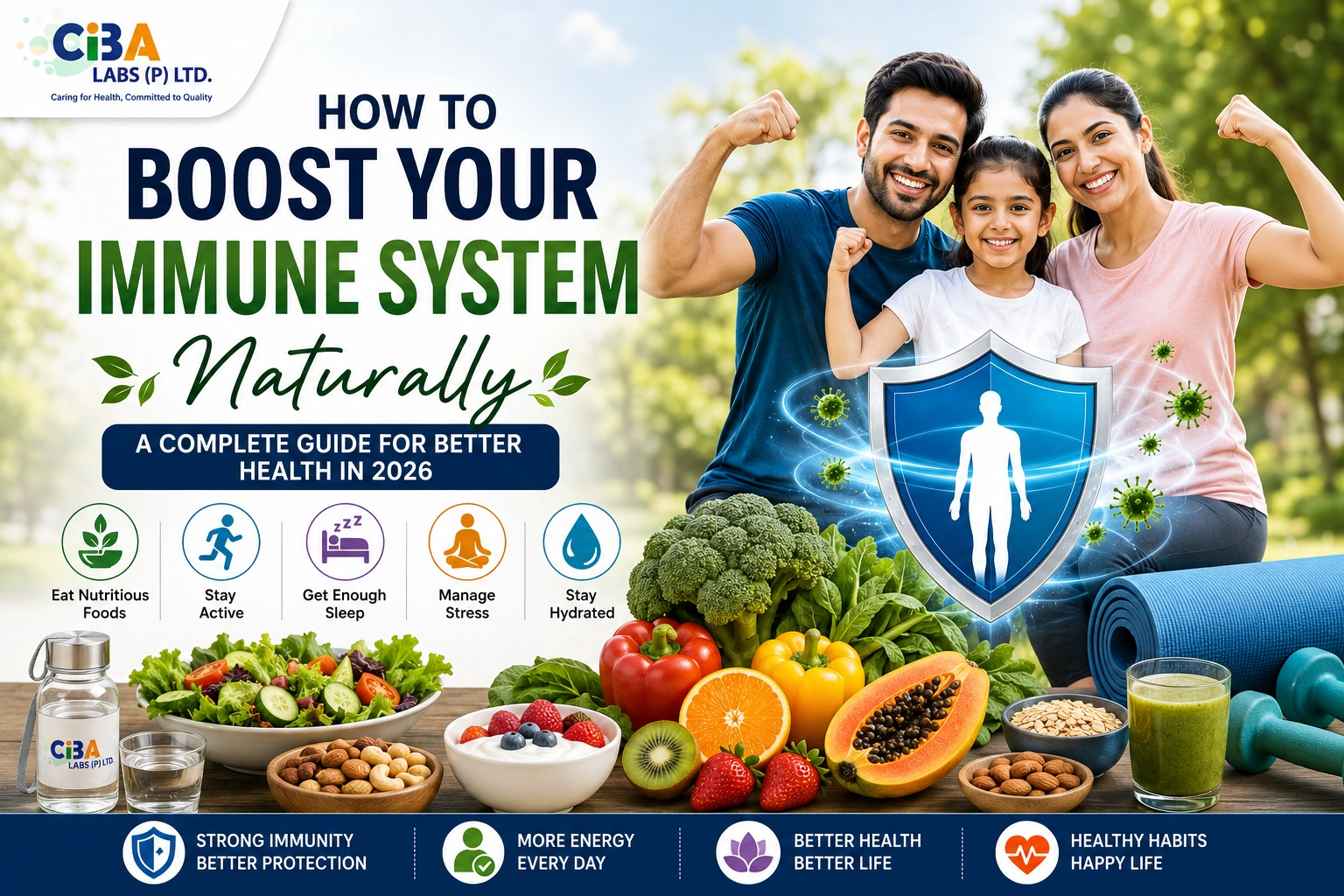
How to Boost Your Immune System Naturally: A Complete Guide for Better Health in 2026
Introduction
A strong immune system is your body's natural defense against harmful bacteria, viruses, fungi, and other disease-causing microorganisms. Every day, your immune system works continuously to identify potential threats and protect your health. While no food, supplement, or lifestyle habit can completely prevent illness, maintaining a healthy immune system can support your body's normal ability to respond to infections and recover effectively.
In today's fast-paced world, factors such as poor nutrition, lack of sleep, stress, sedentary lifestyles, and environmental pollution can affect overall well-being. As a result, many people look for safe and evidence-based ways to support their immune health.
Fortunately, improving immunity does not require expensive products or complicated routines. Consistent healthy habits—such as eating a balanced diet, staying physically active, getting enough sleep, managing stress, and following good hygiene practices—can make a meaningful difference.
In this comprehensive guide, CIBA Labs explains how the immune system works, what influences immune health, and practical strategies to help support your body's natural defenses.
What Is the Immune System?
The immune system is a complex network of cells, tissues, organs, and proteins that work together to protect the body from harmful microorganisms.
Major components include:
- White blood cells
- Bone marrow
- Lymph nodes
- Spleen
- Thymus
- Antibodies
- Skin and mucous membranes
Together, these components recognize harmful germs and help the body respond appropriately while protecting healthy tissues.
Why Is a Strong Immune System Important?
A healthy immune system helps the body:
- Defend against harmful bacteria and viruses
- Support recovery after common illnesses
- Promote wound healing
- Respond effectively to infections
- Maintain overall health and well-being
It's important to understand that a healthy immune system doesn't mean you'll never become ill. Instead, it supports your body's ability to respond appropriately to infections.
Factors That Can Affect Immune Health
Several everyday habits and health conditions can influence how well your immune system functions.
Poor Nutrition
A diet lacking essential vitamins, minerals, protein, and fiber may affect normal immune function.
Lack of Sleep
Sleep plays a vital role in overall health. During sleep, the body carries out many important repair and recovery processes that support normal immune function.
Adults should generally aim for 7–9 hours of quality sleep each night.
Chronic Stress
Long-term stress can affect overall health and may influence immune function. Developing healthy ways to manage stress can benefit both physical and mental well-being.
Physical Inactivity
Regular physical activity supports cardiovascular health, muscle strength, and normal immune function.
Even moderate activities such as walking, cycling, or yoga can contribute to a healthy lifestyle.
Smoking and Excessive Alcohol Use
Smoking and excessive alcohol consumption can negatively affect many aspects of health, including the body's normal defense mechanisms.
Reducing or avoiding these habits supports better overall health.
Best Foods That Support Immune Health
Nutrition plays a central role in maintaining normal immune function.
Citrus Fruits
Examples include:
- Oranges
- Lemons
- Sweet lime
- Grapefruit
These fruits provide vitamin C, which supports the normal function of the immune system.
Leafy Green Vegetables
Vegetables such as spinach and kale provide vitamins, minerals, and antioxidants that contribute to overall health.
Garlic
Garlic has been used traditionally in many cultures as part of a healthy diet. It can be included as part of balanced meals, though it should not be viewed as a replacement for medical treatment.
Ginger
Ginger is commonly used in cooking and traditional diets. It may help support general wellness as part of a varied diet.
Yogurt
Plain yogurt with live cultures can be a source of probiotics that support digestive health. A healthy gut plays an important role in overall well-being.
Nuts and Seeds
Almonds, walnuts, sunflower seeds, and pumpkin seeds provide healthy fats, vitamin E, and other nutrients that contribute to normal body functions.
Protein-Rich Foods
Protein is essential for building and repairing tissues and supporting many normal bodily processes.
Healthy sources include:
- Lentils
- Beans
- Eggs
- Fish
- Chicken
- Soy products
Whole Grains
Whole grains provide fiber, B vitamins, and minerals that contribute to overall health.
Examples include:
- Oats
- Brown rice
- Whole wheat
- Millets
Stay Hydrated
Water supports many important bodily functions, including temperature regulation, nutrient transport, and normal cellular function.
Most adults benefit from drinking enough fluids throughout the day, though individual needs vary based on age, activity level, climate, and health status.
Essential Vitamins and Minerals That Support Immune Health
A balanced diet is the best way to obtain the nutrients your body needs. Certain vitamins and minerals contribute to the normal functioning of the immune system.
Vitamin C
Vitamin C is one of the most well-known nutrients associated with immune health. It acts as an antioxidant and supports the normal function of immune cells.
Good Sources
- Oranges
- Lemons
- Guava
- Kiwi
- Strawberries
- Bell peppers
- Broccoli
Vitamin D
Vitamin D contributes to the normal function of the immune system. While sunlight is an important source, some people may require dietary sources or supplements if advised by a healthcare professional.
Food Sources
- Fatty fish
- Egg yolks
- Fortified milk
- Fortified cereals
Vitamin A
Vitamin A supports the normal function of the skin and mucous membranes, which serve as part of the body's natural defense system.
Food Sources
- Carrots
- Sweet potatoes
- Pumpkin
- Spinach
- Mangoes
Vitamin E
Vitamin E acts as an antioxidant and helps protect cells from oxidative stress.
Food Sources
- Almonds
- Sunflower seeds
- Peanuts
- Vegetable oils
Zinc
Zinc is involved in many biological processes, including supporting normal immune function.
Good Sources
- Pumpkin seeds
- Lentils
- Chickpeas
- Dairy products
- Meat
- Seafood
Iron
Iron is essential for producing healthy red blood cells and contributes to normal immune function.
Iron-Rich Foods
- Spinach
- Lentils
- Beans
- Lean meat
- Fortified cereals
Selenium
Selenium is an essential trace mineral that supports normal immune system function.
Food Sources
- Brazil nuts
- Fish
- Eggs
- Whole grains
The Role of Regular Exercise
Physical activity offers numerous health benefits beyond weight management.
Regular exercise can help:
- Improve cardiovascular health
- Support healthy circulation
- Maintain muscle strength
- Promote better sleep
- Support overall immune health
Recommended Activities
- Walking
- Cycling
- Swimming
- Yoga
- Light strength training
- Stretching
Aim for at least 150 minutes of moderate physical activity per week, or follow guidance appropriate for your age and health status.
Sleep and Immune Health
Sleep allows the body to rest, recover, and carry out important physiological processes.
Poor sleep may affect:
- Energy levels
- Mood
- Concentration
- Overall health
- Normal immune function
Tips for Better Sleep
- Go to bed at the same time every night.
- Reduce screen time before bedtime.
- Keep your bedroom cool and quiet.
- Limit caffeine late in the day.
- Establish a relaxing bedtime routine.
Managing Stress
Occasional stress is a normal part of life, but long-term stress may affect overall health.
Healthy stress-management techniques include:
- Meditation
- Deep breathing exercises
- Yoga
- Spending time outdoors
- Reading
- Listening to music
- Talking with family or friends
- Practicing mindfulness
Even a few minutes each day dedicated to relaxation can support overall well-being.
Gut Health and Immunity
The digestive system plays an important role in overall health. A balanced diet that includes fiber-rich foods and fermented foods can support a healthy gut microbiome.
Foods That Support Gut Health
- Yogurt with live cultures
- Kefir
- Fermented vegetables
- Whole grains
- Fruits
- Vegetables
- Legumes
A healthy gut contributes to many aspects of health, including digestion and normal immune function.
Why Vaccination Matters
Vaccination is one of the most effective public health measures for preventing many infectious diseases.
Vaccines work by helping the immune system recognize and respond to specific disease-causing organisms without causing the disease itself.
Follow the vaccination schedule recommended by your healthcare provider or local public health authority.
Hygiene Habits That Help Reduce the Spread of Germs
Good hygiene helps lower the risk of many infections.
Wash Your Hands Properly
Wash hands:
- Before eating
- After using the restroom
- After coughing or sneezing
- After touching shared surfaces
- Before preparing food
Use soap and water for at least 20 seconds, or an alcohol-based hand sanitizer when soap and water are unavailable.
Cover Coughs and Sneezes
Use a tissue or your elbow when coughing or sneezing to reduce the spread of germs.
Keep Frequently Touched Surfaces Clean
Regularly clean items such as:
- Mobile phones
- Door handles
- Keyboards
- Light switches
- Remote controls
Maintaining a Healthy Body Weight
Maintaining a healthy weight through balanced nutrition and regular physical activity supports overall health and can contribute to normal body functions, including immune health.
Avoid Unnecessary Antibiotic Use
Antibiotics are designed to treat bacterial infections—not viral illnesses such as the common cold or flu.
Using antibiotics only when prescribed by a qualified healthcare professional supports responsible medicine use and helps reduce the risk of antibiotic resistance.
Common Myths About Immunity
Myth 1: Vitamin C Prevents Every Cold
Fact: Vitamin C supports normal immune function, but it cannot guarantee that you will avoid common colds or other infections.
Myth 2: Supplements Can Replace a Healthy Diet
Fact: Supplements may be appropriate for some individuals, but they do not replace a balanced diet and healthy lifestyle.
Myth 3: More Exercise Is Always Better
Fact: Regular moderate exercise supports overall health. Overtraining without adequate recovery may not provide additional benefits and can increase the risk of injury.
Myth 4: Healthy People Don't Need Vaccines
Fact: Vaccination recommendations are based on age, health status, and public health guidance. Even healthy individuals may benefit from recommended vaccines.
Frequently Asked Questions
Can certain foods instantly boost immunity?
No single food can instantly strengthen the immune system. A balanced diet and healthy lifestyle support immune function over time.
Which vitamin is most important for immunity?
Several nutrients—including vitamins C, D, A, E, zinc, and selenium—play important roles in normal immune function.
Is exercise good for immunity?
Yes. Regular moderate exercise supports overall health and contributes to normal immune function.
Can stress affect immune health?
Long-term stress can influence overall health and may affect normal immune function. Managing stress is an important part of a healthy lifestyle.
Does drinking more water improve immunity?
Staying hydrated supports many essential body functions and contributes to overall health, but water alone does not directly "boost" the immune system.
Immune Health for Different Age Groups
A healthy immune system is important at every stage of life. While the basic principles of good health remain the same, nutritional and lifestyle needs may vary by age.
Children
Children's immune systems continue to develop as they grow. Parents can support their overall health by encouraging:
- A balanced diet rich in fruits and vegetables
- Regular physical activity
- Adequate sleep
- Good hand hygiene
- Recommended vaccinations
- Regular pediatric check-ups
Avoid giving supplements or medications without consulting a qualified healthcare professional.
Adults
Busy schedules often lead adults to overlook healthy habits.
Focus on:
- Eating nutritious meals
- Staying physically active
- Managing stress
- Maintaining a healthy weight
- Avoiding tobacco use
- Limiting alcohol consumption
- Getting routine health check-ups
Older Adults
As people age, the immune system may respond differently to infections. Older adults can support their health by:
- Eating nutrient-rich foods
- Staying hydrated
- Engaging in appropriate physical activity
- Following medical advice for chronic conditions
- Staying up to date with recommended vaccinations
- Attending regular health screenings
Seasonal Tips for Supporting Immune Health
During Winter
- Wear appropriate warm clothing.
- Wash hands frequently.
- Drink warm fluids to stay hydrated.
- Eat seasonal fruits and vegetables.
- Get enough sleep.
During Summer
- Stay hydrated throughout the day.
- Avoid prolonged sun exposure during peak hours.
- Eat fresh fruits and vegetables.
- Maintain proper food hygiene.
- Exercise during cooler parts of the day.
During the Monsoon
- Drink safe, clean water.
- Avoid stagnant water where possible.
- Eat freshly prepared food.
- Maintain good hand hygiene.
- Keep your surroundings clean and dry.
A Daily Routine to Support Overall Immune Health
A consistent daily routine can contribute to overall well-being.
Morning
- Drink a glass of water after waking.
- Eat a nutritious breakfast.
- Spend a few minutes in natural sunlight, where appropriate.
- Take a short walk or stretch.
Afternoon
- Choose balanced meals with vegetables, protein, and whole grains.
- Stay hydrated.
- Avoid skipping meals.
- Take short breaks from prolonged sitting.
Evening
- Engage in light physical activity if you have a sedentary job.
- Limit processed snacks.
- Spend time relaxing with family or hobbies.
Night
- Eat dinner at a reasonable time.
- Reduce screen time before bed.
- Aim for 7–9 hours of quality sleep.
When Should You Consult a Doctor?
While healthy habits support general well-being, they are not a substitute for medical care.
Consult a healthcare professional if you experience:
- Frequent or severe infections
- Persistent fever
- Unexplained weight loss
- Ongoing fatigue
- Symptoms that do not improve
- Concerns about nutritional deficiencies or immune-related conditions
Prompt medical evaluation can help identify the underlying cause and ensure appropriate treatment.
Can I strengthen my immune system overnight?
No. Supporting immune health is a long-term process based on consistent healthy habits rather than quick fixes.
Are herbal products enough to maintain immunity?
Some herbal products may be part of a healthy lifestyle, but they should not replace a balanced diet, vaccinations, prescribed treatments, or professional medical advice.
Do probiotics improve immune health?
A healthy gut microbiome plays an important role in overall health. Probiotics may be beneficial for some individuals, but their use should be based on personal health needs and professional advice.
Does regular exercise help prevent illness?
Regular physical activity supports overall health and normal immune function, but it does not guarantee that a person will never become ill.
Is sleep as important as nutrition?
Yes. Both adequate sleep and balanced nutrition are essential for maintaining overall health and supporting the body's normal immune function.
Healthy Habits Checklist
Use this checklist as a reminder:
- ✔ Eat a balanced diet
- ✔ Stay hydrated
- ✔ Exercise regularly
- ✔ Sleep 7–9 hours
- ✔ Manage stress
- ✔ Wash hands frequently
- ✔ Avoid tobacco products
- ✔ Limit alcohol consumption
- ✔ Stay up to date with recommended vaccinations
- ✔ Attend routine health check-ups
Small, consistent lifestyle choices often have a greater impact on long-term health than temporary trends or quick fixes.
Why Choose CIBA Labs?
At CIBA Labs, we believe that good health starts with awareness, prevention, and access to quality healthcare products.
Our commitment includes:
- High-quality pharmaceutical manufacturing
- A strong focus on quality assurance
- Educational healthcare resources
- Patient-centered information
- Continuous commitment to innovation and responsible healthcare practices
We strive to contribute to healthier communities by supporting informed healthcare decisions.
Conclusion
A healthy immune system is supported by a combination of balanced nutrition, regular physical activity, adequate sleep, stress management, good hygiene, and preventive healthcare practices. While no single food or supplement can prevent all illnesses, consistent healthy habits help your body function at its best.
Taking care of your overall well-being today can contribute to better health in the future. If you have questions about your health, nutritional needs, or medications, consult a qualified healthcare professional for personalized advice.
Call to Action
Looking for reliable healthcare solutions and educational resources?
Explore the range of quality-focused pharmaceutical products offered by CIBA Labs and learn more about our commitment to supporting healthier communities.
Visit our Products page to discover our offerings or Contact Us for more information.